

The Abstract Canvas
인간 본연의 공포 : 넷플릭스 [드라큘라] 본문
1부: "괴물의 법칙"은 브람 스토커의 원작에 가장 충실한 부분입니다. 조나단 하커가 드라큘라의 성을 방문하고, 그 안에서 벌어지는 기이한 현상들을 목격하며 점차 인간성을 잃어가는 과정은 융의 '그림자' 원형과 연결됩니다. 드라큘라는 하커의 두려움과 욕망을 흡수하며 힘을 키우는데, 이는 인간 내면에 존재하는 어둡고 억압된 본능, 즉 그림자가 외부로 투사되어 형상화된 것으로 해석할 수 있습니다. 성이라는 밀폐된 공간은 개인의 무의식 세계를 상징하며, 하커가 겪는 혼란과 공포는 개인이 자신의 그림자와 대면할 때 겪는 혼돈을 시각적으로 표현합니다. 드라큘라가 하커의 기억과 경험을 흡수하여 점차 젊어지고 힘을 얻는 과정은, 무의식적인 내용이 의식화될 때 발생하는 에너지의 전이를 보여줍니다.

2부: "피바다"는 드라큘라가 배를 타고 영국으로 향하는 여정을 그립니다. 이 배는 외부 세계로 나아가는 과도기적 공간이자, 다양한 인간 군상이 모인 사회의 축소판입니다. 드라큘라는 배 안의 사람들을 하나씩 사냥하며 그들의 삶과 죽음을 지배합니다. 여기서 드라큘라는 단순히 피를 탐하는 존재를 넘어, 인간의 가장 깊은 욕망과 두려움, 그리고 사회적 위계를 꿰뚫어 보는 존재로 나타납니다. 융의 '페르소나' 개념을 통해 본다면, 배 안의 승객들은 각자의 사회적 가면(페르소나)을 쓰고 있지만, 드라큘라는 이 가면 뒤에 숨겨진 그들의 본질적인 욕구와 불안을 정확히 파악하고 이를 이용하여 지배력을 행사합니다. 이는 사회적 가면이 얼마나 취약하며, 인간 본연의 욕망이 어떻게 개인과 사회를 움직이는지에 대한 질문을 던집니다.
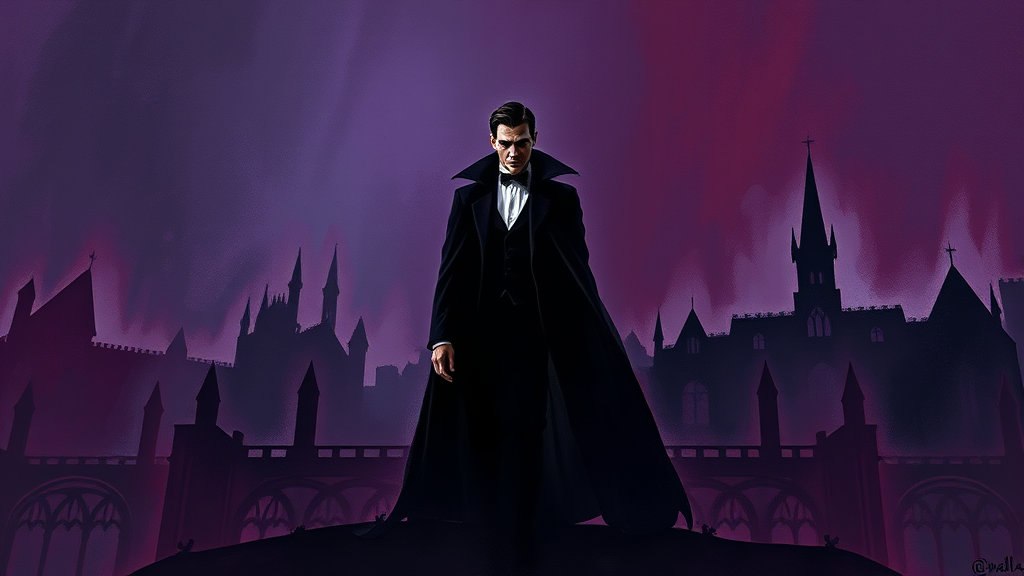
3부: "어둠의 항해"는 드라큘라가 현대로 넘어와 클로이 반 헬싱과 대면하며 그 정체가 완전히 드러나는 부분입니다. 현대라는 공간은 고전적인 드라큘라의 신비감을 벗겨내고, 과학적이고 합리적인 시선으로 그의 존재를 분석하려 합니다. 클로이 반 헬싱은 드라큘라의 본질을 이해하고 그를 파괴하려는 인물로, 융의 '아니마/아니무스' 원형과 '자기(Self)' 원형을 모두 지닌 복합적인 캐릭터입니다. 그녀는 드라큘라에 대한 깊은 이해와 동시에 그를 처단하려는 강한 의지를 보이며, 이는 무의식적인 지혜와 의식적인 결단이 조화롭게 발현되는 모습입니다. 마지막 에피소드는 드라큘라의 불멸성이 사실은 죽음에 대한 극심한 두려움에서 비롯된 것임을 밝히는데, 이는 인간의 가장 근원적인 무의식적 공포인 죽음 공포가 어떻게 개인의 행동과 존재 방식을 지배하는지를 보여줍니다. 궁극적으로 드라큘라가 클로이 반 헬싱의 피를 마심으로써 죽음을 받아들이는 장면은, 의식과 무의식의 통합, 즉 개성화(individuation) 과정의 상징적 완성을 의미합니다.
시각적 언어와 원형적 상징
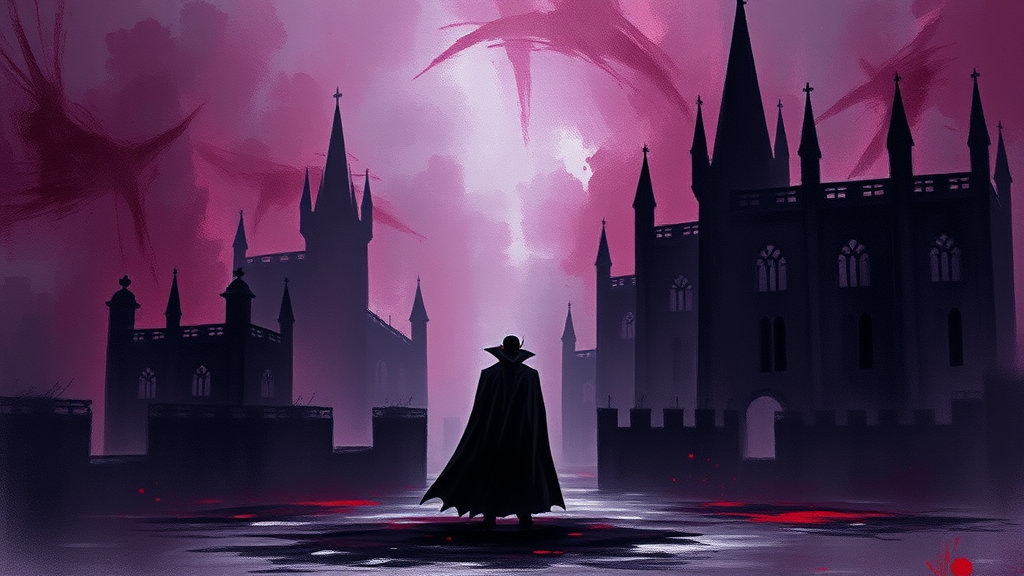
성(城)과 어둠 : 드라큘라의 성은 고립된 무의식의 영역이자, 금지된 욕망과 공포가 깃든 공간을 시각적으로 표현합니다. 어두운 조명, 낡고 웅장한 건축물은 인간의 심연에 자리한 원초적인 불안감을 자극하며, 이는 융이 말하는 '그림자'의 시각적 발현으로 볼 수 있습니다.
피(血)의 상징성 : 피는 드라큘라에게 생명력이자 욕망의 근원이며, 동시에 오염과 타락을 상징합니다. 피를 마시는 행위는 타인의 생명력을 흡수하여 자신의 존재를 유지하려는 원시적인 욕구를 나타냅니다. 이는 생존 본능과 연결된 융의 '대모' 원형의 부정적인 측면, 즉 생명력을 빨아먹는 파괴적인 면모를 시각화합니다. 또한, 피는 드라큘라가 과거의 기억과 경험을 흡수하는 매개체로 작용하여, 무의식의 기억 저장소인 '집단 무의식'과의 연결성을 시각적으로 구현합니다.
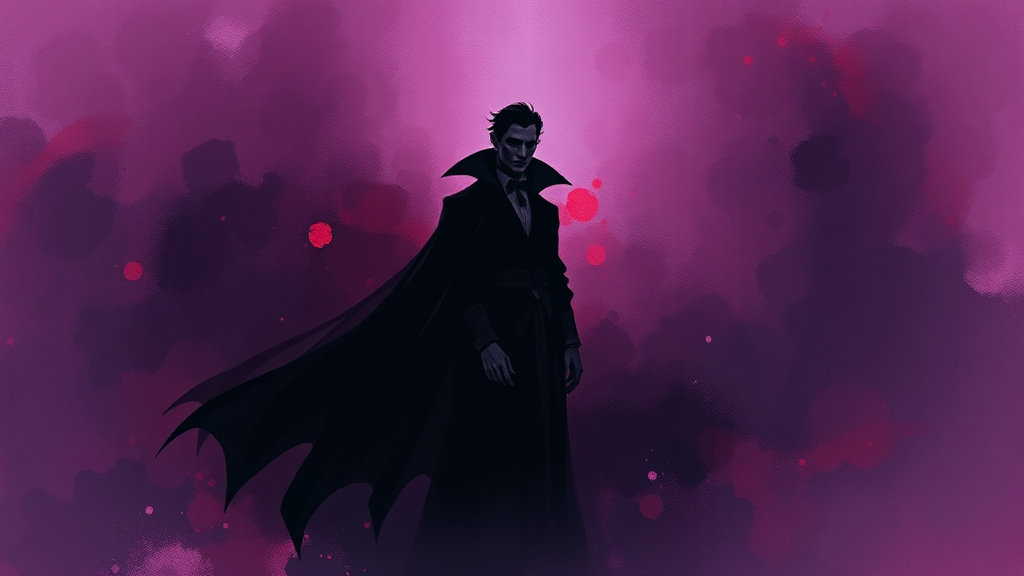
변모하는 드라큘라의 외양 : 초반의 늙고 쇠약한 모습에서 젊고 매혹적인 모습으로 변화하는 드라큘라의 외양은 '아니무스' 원형의 다양한 면모를 시각적으로 보여줍니다. 처음에는 어둡고 위협적인 모습으로 나타나지만, 점차 지적이고 매력적인 모습으로 변모하며 인간의 무의식적 욕망을 자극합니다. 이는 인간의 내면에 존재하는 이상적인 남성성 혹은 여성성이 어떻게 의식으로 떠오르고 영향을 미치는지를 시각적으로 나타냅니다.
거울과 반영 : 드라큘라가 거울에 비치지 않는다는 설정은 그의 존재가 현실의 반영이 아니며, 무의식적인 환상이나 투사의 산물임을 시사합니다. 거울은 자아 성찰과 자기 인식을 상징하는 도구이므로, 드라큘라가 거울에 비치지 않는 것은 그가 자신의 참된 모습을 인식하지 못하거나, 혹은 의식의 영역 밖의 존재임을 시각적으로 강조하는 장치입니다.
캐릭터의 전개 방식
드라큘라 백작 : 드라큘라는 단순한 괴물이 아니라, 불멸을 갈망하고 죽음을 두려워하는 존재로 그려집니다. 그의 불멸성은 곧 외로움과 고립의 원천이 되며, 이는 현대 사회에서 개인이 겪는 소외감과 영원한 성공을 추구하는 현대인의 욕망의 어두운 이면을 반영합니다. 드라큘라가 타인의 피를 통해 기억과 경험을 흡수하는 방식은, 지식과 정보가 폭발하는 현대 사회에서 타인의 경험을 간접적으로 소비하며 자신의 정체성을 구축하려는 현대인의 모습을 풍자적으로 보여주기도 합니다. 또한, 그가 고대의 존재임에도 불구하고 현대 사회의 문명과 문물을 빠르게 습득하고 적응하는 모습은, 권력과 영향력을 유지하려는 구시대적 가치나 체제가 현대 사회의 변화에 발맞추어 변형되는 방식을 은유합니다.
아가타 수녀 / 조이 반 헬싱 : 아가타 수녀는 드라큘라의 본질을 꿰뚫어 보는 지적인 인물로, 융의 '현명한 노인' 혹은 '어머니' 원형의 지혜로운 측면을 나타냅니다. 그녀는 종교적 신념을 넘어 합리적이고 과학적인 사고방식을 지니고 드라큘라에 맞서는데, 이는 전통적인 믿음과 이성적인 사고의 충돌 및 조화를 상징합니다. 3부에서는 조이 반 헬싱으로 환생하여 드라큘라와 최후의 대결을 펼치는데, 이는 무의식적인 지혜가 세대를 넘어 전승되며 궁극적으로 개인의 '자기(Self)' 통합을 이루는 과정을 보여줍니다. 아가타/조이 캐릭터는 드라큘라가 상징하는 구시대적이고 억압적인 가치에 맞서는 진보적이고 이성적인 힘을 대변하며, 이는 사회 변화를 이끄는 주체로서의 새로운 여성상과 지식인의 역할을 시사합니다.

Part 1: "The Rules of the Beast" is the part most faithful to Bram Stoker's original work. Jonathan Harker's visit to Dracula's castle and his gradual loss of humanity as he witnesses strange phenomena within it connect to Jung's 'Shadow' archetype. Dracula gains strength by absorbing Harker's fears and desires, which can be interpreted as the dark, repressed instincts within human nature – the shadow – being projected outward and taking form. The enclosed space of the castle symbolizes the individual's unconscious mind, and Harker's confusion and terror visually express the chaos one experiences when confronting their own shadow. Dracula's process of absorbing Harker's memories and experiences to become younger and more powerful demonstrates the transference of energy that occurs when unconscious content is brought into consciousness.
Part 2: "Blood Vessel" depicts Dracula's journey to England by ship. This ship is a transitional space moving towards the outer world, and a microcosm of society where various human types gather. Dracula hunts the people on board one by one, dominating their lives and deaths. Here, Dracula appears not merely as a being who craves blood, but as one who penetrates humans' deepest desires and fears, as well as social hierarchies. Through Jung's concept of the 'Persona', the passengers on the ship wear their respective social masks (personas), but Dracula accurately perceives their essential needs and anxieties hidden behind these masks and uses them to exert control. This raises questions about the fragility of social masks and how inherent human desires drive individuals and society.
Part 3: "The Dark Compass" is where Dracula steps into the modern era and confronts Chloe Van Helsing, revealing his true identity entirely. This modern setting strips away the classical Dracula's mystique, aiming to analyze his existence through a scientific and rational lens. Chloe Van Helsing is a character who understands Dracula's essence and seeks to destroy him, possessing both Jung's 'Anima/Animus' archetype and the 'Self' archetype. Her deep understanding of Dracula, coupled with a strong will to eliminate him, showcases the harmonious manifestation of unconscious wisdom and conscious determination. The final episode reveals that Dracula's immortality stems from an extreme fear of death, illustrating how humanity's most fundamental unconscious fear – the fear of death – dominates individual behavior and mode of existence. Ultimately, Dracula accepting death by drinking Chloe Van Helsing's blood signifies the symbolic completion of the integration of consciousness and the unconscious, that is, the process of individuation.
Visual Language and Archetypal Symbolism
The Castle and Darkness: Dracula's castle visually represents an isolated realm of the unconscious, a space imbued with forbidden desires and fears. The dim lighting and the old, imposing architecture evoke a primal sense of anxiety nestled in the depths of the human psyche, which can be seen as a visual manifestation of Jung's 'Shadow'.
The Symbolism of Blood: For Dracula, blood is both the source of life and the origin of desire, and simultaneously symbolizes corruption and decay. The act of drinking blood represents the primitive urge to absorb others' life force to sustain one's own existence. This visualizes the negative aspect of Jung's 'Great Mother' archetype, linked to the survival instinct – a destructive, life-sapping facet. Furthermore, blood acts as a medium through which Dracula absorbs past memories and experiences, visually realizing the connection to the 'Collective Unconscious', the unconscious repository of memories.
Dracula's Changing Appearance: Dracula's transformation from an old and frail figure in the beginning to a young and alluring one visually demonstrates the multifaceted aspects of the 'Animus' archetype. Initially appearing as a dark and menacing figure, he gradually transforms into an intellectual and attractive presence, stimulating human unconscious desires. This visually indicates how the ideal masculine or feminine aspects within the human psyche emerge into consciousness and exert influence.
Mirrors and Reflection: The portrayal of Dracula not being reflected in mirrors suggests that his existence is not a reflection of reality, but rather a product of unconscious fantasy or projection. Since mirrors are tools symbolizing self-reflection and self-awareness, Dracula's lack of reflection visually emphasizes that he either does not perceive his true self or exists outside the realm of consciousness.
Character Development
Count Dracula: Dracula is depicted not merely as a monster, but as a being who craves immortality and fears death. His immortality becomes a source of loneliness and isolation, reflecting the alienation experienced by individuals in modern society and the dark side of contemporary human desire for eternal success. The way Dracula absorbs memories and experiences through others' blood can also be seen as a satirical portrayal of modern individuals constructing their identities by indirectly consuming others' experiences in an era of explosive knowledge and information. Furthermore, his rapid assimilation and adaptation to modern civilization and culture, despite being an ancient being, metaphorically describes how antiquated values or systems seeking to maintain power and influence transform to keep pace with societal changes.
Sister Agatha / Zoe Van Helsing: Sister Agatha is an intelligent character who sees through Dracula's essence, representing the wise aspect of Jung's 'Wise Old Man' or 'Mother' archetype. Beyond religious conviction, she confronts Dracula with a rational and scientific mindset, symbolizing the conflict and harmony between traditional beliefs and rational thought. In Part 3, she is reincarnated as Zoe Van Helsing and engages in a final confrontation with Dracula, demonstrating how unconscious wisdom is passed down through generations, ultimately leading to the integration of the individual's 'Self'. The Agatha/Zoe character represents a progressive and rational force opposing the old-fashioned and oppressive values symbolized by Dracula, suggesting a new female archetype and the role of intellectuals as agents of social change.
'📺 드라마' 카테고리의 다른 글
| 불편한 질문 : 넷플릭스 [다머 - 괴물 : 제프리 다머 이야기] (7) | 2025.06.25 |
|---|---|
| 경계 없는 관계, 분열된 주체 : 넷플릭스 [기리/하지(Duty/Shame)] (10) | 2025.06.24 |
| 쓰라린 복수의 끝엔 : 넷플릭스 [더 글로리] (13) | 2025.06.18 |
| 만양, 우리 사회의 민낯 : JTBC [괴물] (18) | 2025.06.18 |
| 겉은 액션, 속은 인간 본성 : 박훈정 [폭군] (3) | 2025.06.13 |


